

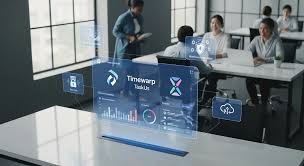
Introduction to Timewarp Taskus
Timewarp Taskus is increasingly being discussed in the context of modern workforce management and digital operations. In simple terms, timewarp taskus is associated with structured workflow systems designed to improve how tasks are assigned, tracked, and completed within large-scale business environments. It reflects the growing need for speed, accuracy, and automation in today’s digital-first workplaces where efficiency is a top priority.
In organizations that handle high-volume outsourcing, customer support, and data operations, systems like Timewarp Taskus play an important role in reducing delays and improving coordination. Companies such as TaskUs are known for leveraging advanced operational tools to manage global teams efficiently. Within this ecosystem, Timewarp Taskus is often understood as part of a broader framework that helps streamline productivity, monitor performance, and ensure consistent service delivery across distributed teams.
What is Timewarp Taskus? Core Concept Explained
The term timewarp taskus generally refers to a conceptual or system-based approach that focuses on optimizing time management within task-driven environments. It is not just about tracking tasks but about restructuring workflows so that time is used more efficiently across multiple layers of an organization. In this sense, it blends task allocation, scheduling, and productivity monitoring into one streamlined system.
Within outsourcing and customer service environments, especially those managed by TaskUs, such systems are essential for handling thousands of daily interactions. Timewarp Taskus helps ensure that tasks are assigned to the right agents at the right time, minimizing delays and improving response accuracy. It also allows managers to visualize workflow progress in real time, making it easier to identify bottlenecks and optimize performance.
At its core, Timewarp Taskus represents the evolution of traditional task management systems into more intelligent, time-sensitive frameworks that prioritize speed, efficiency, and scalability.
Key Features and Functional Components of Timewarp Taskus
One of the most important aspects of timewarp taskus is its feature-rich structure designed to support high-performance operations. A key feature is automated task distribution, which ensures that workloads are evenly assigned based on availability, skill level, and priority. This reduces manual effort and helps maintain balance across teams working in fast-paced environments.
Another major component is real-time monitoring and reporting. Managers within organizations such as TaskUs rely on dashboards that display live updates on task completion rates, agent productivity, and system performance. This allows decision-makers to react quickly to operational changes and maintain service quality.
Additionally, Timewarp Taskus often includes advanced time-tracking tools that measure how long tasks take to complete. This data is then used to improve efficiency, identify training needs, and optimize workflows. Combined with secure access controls and role-based permissions, the system ensures both flexibility and data security across teams.
How Timewarp Taskus Improves Business Efficiency
The biggest advantage of timewarp taskus lies in its ability to significantly improve business efficiency. By automating repetitive processes and optimizing task distribution, it reduces the time wasted on manual coordination. Employees can focus more on execution rather than administrative work, which leads to faster output and improved productivity.
In large-scale operations such as those managed by TaskUs, efficiency is crucial. Timewarp Taskus supports this by enabling real-time communication between teams and supervisors. This ensures that issues are resolved quickly and workflows remain uninterrupted. It also enhances accountability, as every task is tracked and measurable.
Furthermore, the system supports data-driven decision-making. Managers can analyze performance trends and identify areas for improvement. This leads to continuous optimization of processes, making businesses more agile and competitive in a rapidly changing digital landscape.
Practical Applications of Timewarp Taskus
The applications of timewarp taskus extend across multiple industries, especially those that rely heavily on digital workflows. One of its most common uses is in customer support operations, where large teams must handle incoming queries efficiently and consistently. By structuring tasks and automating assignment processes, response times can be significantly improved.
It is also widely used in data processing and quality assurance environments. Companies like TaskUs often manage large volumes of data that require accurate handling and validation. Timewarp Taskus helps ensure that these tasks are distributed efficiently and completed within deadlines.
Additionally, it supports remote and hybrid workforce models. As businesses continue to adopt flexible work arrangements, systems like Timewarp Taskus ensure that teams remain connected, productive, and aligned with organizational goals regardless of location.
Benefits and Limitations of Timewarp Taskus
The benefits of timewarp taskus are largely centered around productivity and efficiency. One of the key advantages is improved task visibility, allowing managers and employees to clearly understand workload distribution and progress. This transparency helps reduce confusion and enhances overall coordination.
Another benefit is cost efficiency. By reducing manual effort and optimizing workflows, organizations such as TaskUs can operate more effectively with fewer resources. It also improves scalability, making it easier for businesses to expand operations without losing control over performance.
However, there are also limitations. One common challenge is the learning curve associated with adopting such systems. Employees may require training to fully understand how to use the platform effectively. Additionally, integration with existing tools and processes may require technical adjustments, which can slow down initial implementation.
Challenges and Future Potential
While timewarp taskus offers many advantages, it also presents certain challenges. One of the main issues is system integration, especially in organizations with complex or outdated infrastructure. Ensuring smooth communication between different platforms can be difficult and may require ongoing technical support.
Despite these challenges, the future potential is significant. As automation and artificial intelligence continue to evolve, systems like those used in TaskUs are expected to become even more intelligent. Future versions of Timewarp Taskus may include predictive analytics, AI-driven task allocation, and deeper workflow optimization capabilities.
These advancements will likely transform how businesses manage global teams, making operations faster, smarter, and more adaptive to changing demands.
Conclusion
Timewarp Taskus represents a modern shift in how organizations approach task management and workforce optimization. By focusing on time efficiency, automation, and structured workflows, it helps businesses improve productivity and maintain high service standards. In environments supported by TaskUs, such systems play a vital role in ensuring smooth operations and scalable growth.
As digital transformation continues, the importance of systems like timewarp taskus will only increase, shaping the future of work and redefining how teams collaborate across the globe.
digitalwelts
FAQs
1. What is Timewarp Taskus used for?
It is used for managing tasks, tracking workflows, and improving productivity in large-scale operations.
2. Is Timewarp Taskus a software?
It is generally considered a workflow system or tool integrated into business operations.
3. Who uses Timewarp Taskus?
It is commonly used in outsourcing and support environments such as those operated by TaskUs.
4. Does it improve productivity?
Yes, it enhances efficiency by automating tasks and improving workflow visibility.
5. Is it suitable for remote work?
Yes, it supports remote and hybrid workforce models effectively.













Leave a Reply