

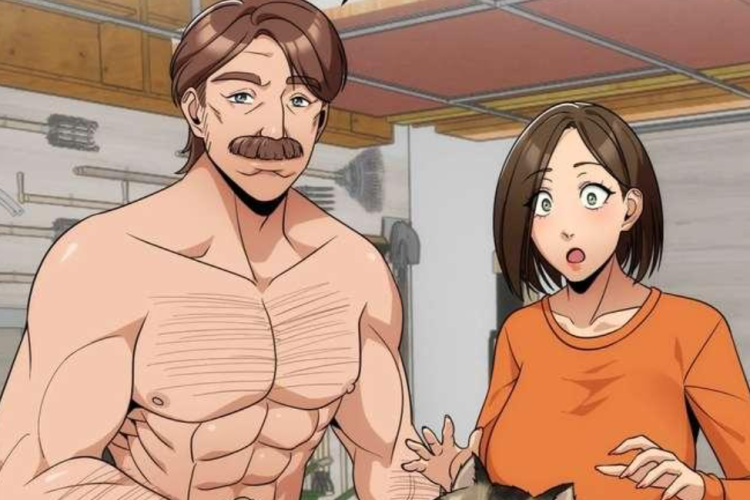
Introduction to Teach Me First Manga
If you’ve ever found yourself saying, “teach me first manga,” you’re not alone. Manga has become a global cultural phenomenon, captivating millions of readers with its unique storytelling style, expressive artwork, and diverse genres. For beginners, however, stepping into the world of manga can feel overwhelming. From unfamiliar reading directions to new cultural references, there’s a lot to take in at first glance. That’s exactly why this comprehensive guide exists—to simplify the process and help you confidently begin your manga journey.
Manga is more than just Japanese comics; it is Teach Me First Manga a storytelling tradition deeply rooted in Japanese culture and artistic history. Unlike Western comics, manga spans nearly every genre imaginable—romance, horror, fantasy, slice of life, action, and even educational topics. This diversity makes manga accessible to readers of all ages and interests. Whether you are a student, a parent, or simply a curious reader, understanding the basics will enhance your enjoyment and appreciation of the medium.
In this article, we will explore everything a beginner needs to know. From understanding what manga is and how to read it correctly, to choosing your first series and discovering popular genres, this guide will walk you through the essentials. By the end, you won’t just be asking to “teach me first manga”—you’ll feel ready to dive into your very first volume with confidence.
What Is Manga? Understanding the Basics
Manga refers to Japanese comic books Teach Me First Manga or graphic novels that combine detailed artwork with immersive storytelling. The word “manga” roughly translates to “whimsical drawings,” but today it represents a multi-billion-dollar industry with global influence. Manga stories are typically serialized in magazines before being collected into volumes known as tankōbon. These volumes are what most readers purchase in bookstores or online.
One of the most noticeable differences Teach Me First Manga between manga and Western comics is the reading format. Manga is traditionally read from right to left, which can feel unusual at first. Pages, panels, and even speech bubbles follow this direction. However, once you adjust to this format, it becomes second nature. The black-and-white artwork style is another defining characteristic. Rather than relying on color, manga artists use shading, linework, and panel composition to create emotion, depth, and movement.
Manga is also categorized by target demographics rather than strict genres. For example, shonen is aimed at young boys and often focuses on action and friendship themes, while shojo targets young girls and emphasizes romance and emotional development. There are also seinen and josei categories for adult audiences. Understanding these categories helps beginners choose content that aligns with their interests and maturity level.
Teach Me First Manga: How to Start Reading Manga
If you are completely new and thinking, “teach me first manga step by step,” the best place to begin is learning how to read panels correctly. Start from the top right corner of the page and move left. Within each page, read speech bubbles from right to left and top to bottom. Many beginner-friendly volumes include small guides on the first few pages to help you adjust. Don’t rush the process—take your time observing the artwork, expressions, and background details.
Choosing your first manga is equally important. Beginners often benefit from starting with shorter series rather than long-running sagas Teach Me First Manga with hundreds of chapters. Consider your personal interests. Do you enjoy fantasy worlds, heartfelt romance, thrilling mysteries, or realistic daily-life stories? Picking a genre you already enjoy in movies or books makes the transition easier. Many manga series are labeled clearly by genre and age suitability, making selection simpler.
It also helps to understand Teach Me First Manga common manga terms. A one-shot refers to a single standalone story. A mangaka is the creator or artist behind the series. Doujinshi are self-published works, often created by independent artists. Becoming familiar with these terms not only boosts your understanding but also makes you feel more connected to the community. Starting small, reading consistently, and exploring different styles will gradually build your confidence as a new manga reader.
Popular Manga Genres Explained
One of the most exciting aspects Teach Me First Manga of manga is its vast range of genres. Action and adventure manga often feature intense battles, powerful friendships, and character growth arcs. These stories typically focus on perseverance, teamwork, and overcoming obstacles. They are fast-paced and filled with dramatic cliffhangers that keep readers eagerly turning pages.
Romance manga, on the other hand Teach Me First Manga, explores emotional relationships, personal growth, and heartfelt moments. These stories can range from lighthearted high school crushes to complex adult relationships. Slice-of-life manga presents realistic, everyday experiences, allowing readers to connect deeply with relatable characters. These genres often emphasize subtle emotions and character development over dramatic action.
Fantasy and isekai (stories where characters are transported to another world) have grown immensely popular. They feature imaginative Teach Me First Manga settings, magical systems, and elaborate world-building. Horror and psychological thriller manga delve into suspense, fear, and the darker aspects of human nature. With such variety, manga ensures that every reader can find something aligned with their taste. Exploring multiple genres helps beginners discover what resonates most with them.
The Art of Manga Storytelling
Manga storytelling is unique because it relies heavily on visual expression. Artists use exaggerated facial expressions, symbolic imagery, and dynamic panel layouts to convey emotion. Simple visual cues—like sweat drops to show nervousness or chibi (miniature) forms to express humor—add depth and personality to characters. This artistic shorthand makes manga engaging even without color.
The structure of manga often includes long-running story arcs with carefully placed cliffhangers. Since many series are serialized weekly or monthly, chapters are designed to keep readers anticipating the next installment. This episodic nature builds suspense and emotional investment over time. Unlike Western comics that often reset storylines, manga tends to follow continuous narratives with meaningful character development.
Cultural context also plays a significant role. Themes such as school life, respect for elders, seasonal festivals, and social hierarchy frequently appear. While some cultural references may initially seem unfamiliar, they add authenticity and richness to the storytelling. Over time, readers become more comfortable with these elements, deepening their appreciation for Japanese culture.
Where to Read Manga Legally and Safely
For beginners asking “teach me first manga safely,” it’s important to choose legal sources. Physical copies are available in bookstores, libraries, and online retailers. Holding a physical volume can enhance the experience, especially for collectors. Many editions include bonus illustrations or author notes that add value.
Digital platforms have also made manga more accessible than ever. Official apps and subscription services provide affordable access to vast libraries. These platforms often release chapters simultaneously with Japan, allowing international readers to stay updated. Free previews are commonly available, helping you decide before committing to a purchase.
Supporting official releases ensures that creators are compensated for their work. Avoiding piracy not only respects the artists but also guarantees better translation quality and consistent updates. Investing in legitimate sources strengthens the manga industry and ensures more stories continue to be created.
Conclusion
Learning about manga for the first time can feel like entering a new universe filled with creativity, emotion, and artistic brilliance. By understanding what manga is, how to read it properly, and how to choose the right genre, beginners can transition smoothly into this exciting world. The phrase “teach me first manga” represents curiosity—and curiosity is the perfect starting point.
With patience, exploration, and an open mind, manga can become more than entertainment. It can inspire creativity, improve reading habits, and offer fresh cultural perspectives. Whether you begin with a short romance or an epic fantasy adventure, your manga journey starts with that very first page.
FAQs
1. What is the best manga for beginners?
Short, genre-specific series that match your interests are ideal starting points.
2. Why is manga read from right to left?
It preserves the original Japanese formatting and artistic intent.
3. Is manga suitable for children?
Yes, but it’s important to check age ratings and genre classifications.
4. What is the difference between manga and anime?
Manga refers to printed comics, while anime is animated television or film adaptations.
5. Do I need to understand Japanese culture to enjoy manga?
No, but learning cultural context enhances appreciation.
6. Are all manga black and white?
Most are black and white, though some special editions include color pages.
7. Where can I read manga legally online?
Official apps, publishers’ websites, and subscription platforms offer legal access.
8. How long does it take to read a manga volume?
Typically one to two hours, depending on reading speed and content density.









Leave a Reply