

Introduction
The world of comics can feel overwhelming for new readers. With countless genres, complex storylines, and expansive universes, beginners often struggle to find a starting point. This is where Teach Me First Comic stands out as a refreshing and accessible entry into the art of visual storytelling. Designed with clarity and engagement in mind, Teach Me First Comic bridges the gap between curiosity and understanding, offering readers a simple yet meaningful narrative experience. It introduces core storytelling elements without overcomplicating the journey, making it ideal for those taking their first step into the comic universe.
In today’s fast-paced digital world, readers crave stories that are both visually engaging and emotionally resonant. Teach Me First Comic meets this demand by combining relatable characters with an easy-to-follow plot structure. Its balanced approach ensures that readers are neither overwhelmed nor underwhelmed. Instead, they are gently guided through a creative narrative that sparks imagination and encourages deeper exploration. This in-depth guide will walk you through everything you need to know about Teach Me First Comic—from storyline breakdown and character analysis to themes, artwork, and why it remains perfect for beginners.
1. What Is Teach Me First Comic?
Teach Me First Comic is a beginner-friendly graphic narrative crafted to introduce readers to the fundamentals of comic storytelling. Unlike complex superhero sagas or intricate fantasy epics, this comic focuses on clarity, emotional connection, and structured storytelling. It typically centers around a protagonist who embarks on a journey of self-discovery Teach Me First Comic, learning valuable lessons along the way. The simplicity of the premise is not a limitation but rather a strength, allowing readers to focus on character growth and thematic depth without distraction.
At its core, Teach Me First Comic emphasizes education through entertainment. It often blends light humor with heartfelt moments, making it accessible to younger audiences while still appealing to adults seeking a refreshing read. The comic’s genre may fall under slice-of-life, coming-of-age, or inspirational fiction, but its defining feature is its ability to Teach Me First Comic “teach” readers the basics of narrative structure. From exposition and rising action to climax and resolution, every element is clearly presented, serving as both a story and a subtle tutorial in storytelling craftsmanship.
2. Storyline Breakdown of Teach Me First Comic
The storyline of Teach Me First Comic begins by establishing a relatable setting and introducing the central character. In the opening chapters, readers are invited into the protagonist’s everyday world, where a challenge or unexpected event disrupts their normal routine. This hook captures attention immediately, setting the stage for growth and transformation. The world-building is intentionally simple, ensuring readers can easily visualize the environment and connect emotionally with the unfolding events.
As the narrative progresses into the middle section, Teach Me First Comic tension rises through obstacles and personal conflicts. The protagonist faces dilemmas that test their courage, patience, or understanding. Supporting characters play essential roles during this phase, offering guidance, opposition, or companionship. Each challenge contributes to character development, gradually revealing strengths and vulnerabilities. The pacing remains steady, allowing readers to absorb the emotional shifts while maintaining narrative momentum.
The climax of Teach Me First Comic delivers a pivotal moment where the protagonist must apply everything they have learned. This turning point is dramatic yet approachable, reinforcing the comic’s central message. The resolution follows with clarity, tying up loose ends and providing a sense of satisfaction. By the final pages, readers not only witness a completed story arc but also gain insight into storytelling structure itself.
3. Main Characters in Teach Me First Comic
The protagonist of Teach Me First Comic is often portrayed as curious, imperfect, and eager to learn. These traits make the character highly relatable, especially for beginners who may see themselves reflected in the journey. The character’s motivations are grounded in universal themes such as self-improvement, friendship, or overcoming fear. Throughout the story, subtle changes in dialogue, expressions, and actions highlight the protagonist’s growth, demonstrating how experiences shape identity.
Supporting characters enrich the narrative by adding layers of perspective and emotion. A mentor figure may provide guidance, while a rival introduces Teach Me First Comic tension and competition. Friends and family members contribute warmth and realism to the story. Each character serves a purpose, ensuring the plot remains dynamic and balanced. Their interactions with the protagonist reveal deeper aspects of personality and highlight the importance of relationships in personal development.
Character relationships form the emotional backbone of Teach Me First Comic. Conflicts between characters create drama, while moments of cooperation foster hope and inspiration. These dynamics illustrate the complexity of human interaction in a digestible format. For new comic readers, this clear portrayal of relationships enhances understanding and engagement, making the story memorable and impactful.
4. Themes and Messages in Teach Me First Comic
One of the defining strengths of Teach Me First Comic is its exploration of meaningful themes. Common themes include growth, perseverance, friendship, and self-confidence. These universal ideas resonate across age groups, making the comic widely accessible. By embedding lessons within the storyline rather than presenting them overtly, the comic encourages reflection without feeling preachy or forced.
Symbolism plays a subtle yet important role in conveying Teach Me First Comic deeper meanings. Objects, colors, and recurring motifs may represent internal struggles or personal milestones. For example, a recurring visual element might symbolize progress or transformation. These artistic choices add depth to the narrative while maintaining clarity for beginners. Readers can enjoy the surface-level story while gradually uncovering hidden layers upon closer examination.
Additionally, Teach Me First Comic often reflects modern social or cultural themes. It may address issues such as self-doubt in competitive environments or the importance of empathy in diverse communities. By connecting fictional events to real-life experiences, the comic becomes both entertaining and relevant. This relevance strengthens its educational value and broadens its appeal.
5. Art Style and Visual Storytelling
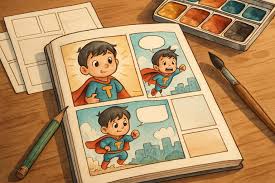
The art style of Teach Me First Comic is designed to complement its accessible narrative. Clean lines, expressive character designs, and balanced panel layouts ensure that visuals enhance rather than overshadow the story. The use of color often reflects mood, with warm tones conveying comfort and cooler shades highlighting tension or uncertainty. This thoughtful integration of visual elements deepens emotional engagement.
Panel structure is another crucial aspect of the comic’s effectiveness. Clear transitions between scenes guide readers seamlessly from one moment to the next. Strategic use of close-ups emphasizes emotional intensity, while wider panels establish context and setting. This deliberate arrangement helps beginners understand how visual pacing influences storytelling.
Visual storytelling in Teach Me First Comic extends beyond illustrations. Facial expressions, body language, and background details communicate unspoken emotions. This layered approach encourages readers to observe carefully and interpret meaning beyond dialogue. As a result, the comic becomes an interactive experience, inviting readers to actively participate in the narrative.
6. Why Teach Me First Comic Is Perfect for Beginners
Teach Me First Comic excels as an introductory read because it simplifies complex storytelling techniques without sacrificing depth. Its straightforward narrative structure helps readers grasp essential elements such as plot progression, character arcs, and thematic development. By presenting these components clearly, the comic builds confidence in new readers, encouraging them to explore more advanced works in the future.
Another reason for its beginner-friendly appeal is its balanced tone. The story blends lighthearted moments with emotional depth, ensuring readers remain engaged throughout. Educational undertones inspire reflection and growth, while relatable scenarios foster connection. This harmonious combination creates an inviting reading experience that feels both enjoyable and meaningful.
Compared to other beginner comics, Teach Me First Comic distinguishes itself through intentional clarity and structured storytelling. It serves as both entertainment and a gentle introduction to the art form. For anyone seeking a welcoming entry point into comics, this title offers a thoughtful and engaging starting place.
Conclusion
Teach Me First Comic stands as a testament to the power of simple storytelling done well. By combining relatable characters, clear narrative structure, meaningful themes, and expressive artwork, it creates a holistic reading experience that resonates with beginners and seasoned readers alike. Its emphasis on growth and understanding transforms it from a mere comic into a valuable learning tool.
Whether you are new to comics or seeking a refreshing, heartfelt read, Teach Me First Comic provides an accessible and enriching journey. It teaches not only through its story but also through its structure, guiding readers toward a deeper appreciation of visual storytelling.
Frequently Asked Questions (FAQs)
1. What is Teach Me First Comic about?
It is a beginner-friendly comic that focuses on personal growth, relatable challenges, and meaningful storytelling.
2. Is Teach Me First Comic suitable for all ages?
Yes, its accessible narrative and universal themes make it appropriate for a wide audience.
3. What are the key themes in Teach Me First Comic?
Growth, perseverance, friendship, and self-confidence are among the central themes.
4. Why is Teach Me First Comic ideal for beginners?
Its clear structure, simple storytelling, and engaging visuals make it easy to follow and understand.
5. Does Teach Me First Comic have deeper meanings?
Yes, subtle symbolism and thematic layers provide depth for readers who wish to explore beyond the surface story.









Leave a Reply