

Introduction
In the rapidly evolving world of technology, connectivity standards play a crucial role in how devices interact with each other. One of the most transformative developments in recent years has been the rise of USB-C technology. From smartphones and laptops to gaming consoles and accessories, USB-C has quickly become the preferred connection standard across the global tech industry. Keeping up with the latest USB-C news helps consumers and businesses understand how this universal connector is reshaping device compatibility, charging systems, and data transfer capabilities.
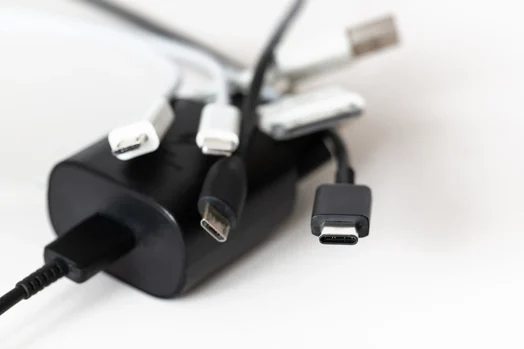
USB-C stands out because it simplifies what used to be a complicated ecosystem of cables and ports. Previously, users needed multiple cables for different devices—Micro-USB for phones, USB-A for computers, proprietary chargers for certain USB-C News brands, and additional adapters for displays or external drives. USB-C has largely solved this issue by offering a single, versatile connector that can handle power delivery, high-speed data transfer, and video output simultaneously. This all-in-one functionality has made USB-C a revolutionary innovation in modern computing and mobile technology.
The growing importance of USB-C has USB-C News also attracted attention from governments and technology regulators around the world. New policies and industry standards are pushing manufacturers toward universal charging solutions, which reduces electronic waste and improves convenience for consumers. As more companies adopt USB-C across their product lines, it is clear that the connector is becoming the backbone of future digital ecosystems.
In this article, we explore the latest USB-C news, examine how the technology works, and analyze the ways it is transforming the consumer electronics industry. We will also discuss the benefits and challenges of the USB-C transition and explore what the future may hold for this powerful connectivity standard.
What Is USB-C and Why It Matters
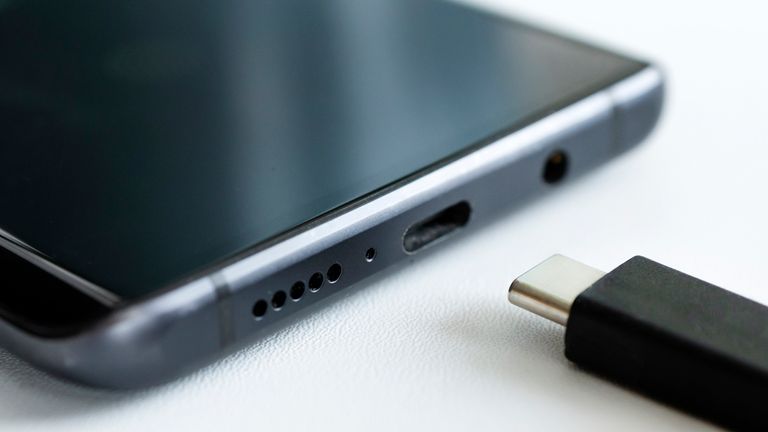
USB-C, officially known as USB Type-C, is a modern USB-C News connector designed to replace older USB standards such as USB-A, USB-B, and Micro-USB. Unlike earlier connectors, USB-C features a small, symmetrical design that allows users to plug the cable in either direction. This reversible design eliminates one of the most common frustrations with traditional USB cables—figuring out which side is the correct one.
Beyond convenience, USB-C is built USB-C News to handle far more functionality than its predecessors. It supports high-speed data transfer, high-resolution video output, and advanced power delivery through a single cable. With the introduction of USB Power Delivery (USB-PD), USB-C cables can deliver up to 100 watts or more of power, which means they can charge not only smartphones but also laptops, tablets, and even some monitors.
The transition to USB-C represents a major USB-C News step forward in simplifying digital connectivity. Previously, users needed separate cables for charging devices, transferring files, and connecting to external displays. With USB-C, a single cable can perform all these tasks, making it an incredibly versatile tool for both personal and professional environments.
The importance of USB-C continues to grow as more USB-C News manufacturers adopt the standard. Major tech companies have integrated USB-C into smartphones, laptops, tablets, gaming devices, and accessories. This widespread adoption signals a shift toward a universal connectivity ecosystem where users can rely on one cable for nearly all their devices.
USB-C News: Latest Industry Updates
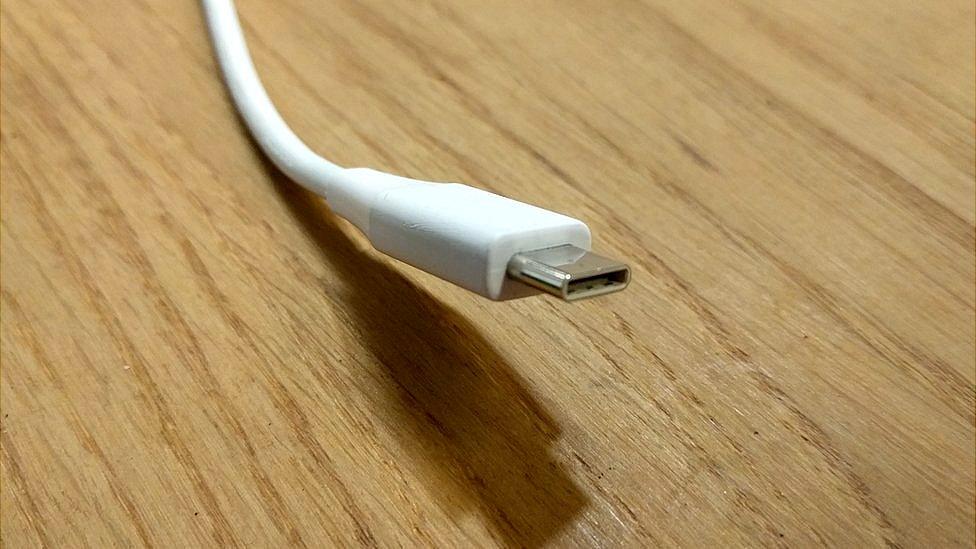
The latest USB-C news reveals that the technology is rapidly becoming the global standard for device connectivity. Major electronics manufacturers are transitioning their product lines to USB-C ports, replacing older charging systems and proprietary connectors. This shift is particularly noticeable in smartphones and laptops, where USB-C has become the default connection option.
A significant factor driving this transition USB-C News is the growing demand for universal charging solutions. Consumers are increasingly frustrated with needing multiple chargers for different devices. USB-C addresses this issue by allowing one charger to power multiple gadgets, including smartphones, tablets, laptops, and even certain gaming devices. This convenience has made USB-C extremely popular among both consumers and manufacturers.
Government regulations are also playing USB-C News an important role in accelerating USB-C adoption. Some regions have introduced policies encouraging or requiring universal charging ports for consumer electronics. These initiatives aim to reduce electronic waste and improve sustainability by limiting the number of unused chargers and cables that end up in landfills.
Another major development in recent USB-C news is the introduction of faster data transfer standards. New technologies such as USB4 and Thunderbolt compatibility allow USB-C ports to support incredibly high data transfer speeds. This advancement makes USB-C an essential tool for professionals who work with large files, such as video editors, graphic designers, and software developers.
As technology continues to evolve, USB-C is becoming more than just a charging port—it is transforming into a universal gateway for digital connectivity.
How USB-C Is Transforming Consumer Electronics
USB-C has significantly changed the design and functionality of modern consumer electronics. One of the most noticeable changes is the growing number USB-C News of smartphones and tablets that now rely on USB-C for both charging and data transfer. This shift allows users to charge their devices faster while also transferring files more efficiently between devices.
In the laptop industry, USB-C has revolutionized how users connect to external devices. Many modern laptops now feature USB-C ports that support USB-C News docking stations, external displays, storage devices, and power input through a single connection. This setup simplifies workstation configurations and reduces cable clutter, making USB-C particularly valuable in professional environments.
Gaming and entertainment devices have also embraced USB-C technology. Controllers, handheld gaming consoles, and streaming USB-C News devices increasingly rely on USB-C for power and connectivity. This change ensures faster charging and more reliable connections, which enhances the overall gaming experience for users.
The USB-C ecosystem has expanded rapidly, leading to a wide range of accessories designed around the standard. USB-C hubs, adapters, docking stations USB-C News, and external drives have become essential tools for modern device users. These accessories enable seamless integration between multiple devices, allowing users to connect monitors, keyboards, storage devices, and other peripherals with minimal effort.
As USB-C continues to gain popularity, manufacturers are developing innovative accessories that maximize its capabilities. This growing ecosystem is helping transform USB-C into the central hub of modern digital lifestyles.
Benefits and Challenges of the USB-C Standard
One of the most significant benefits of USB-C is the concept of universal charging. With a single cable capable of charging multiple devices, users can reduce the number of chargers they carry and simplify their daily routines. This convenience USB-C News is especially valuable for travelers and professionals who rely on multiple gadgets throughout the day.
Another major advantage is the potential reduction of electronic waste. By standardizing charging systems across devices, fewer cables and chargers USB-C News become obsolete when consumers upgrade their devices. This environmental benefit has made USB-C an important part of sustainability discussions in the technology industry.
Despite these advantages, the transition to USB-C has also introduced USB-C News certain challenges. One of the most common issues is consumer confusion regarding cable compatibility. Not all USB-C cables support the same speeds or power levels. Some cables are designed only for charging, while others support high-speed data transfer or video output. This variation can make it difficult for consumers to choose the right cable for their needs.
Manufacturers also face challenges during USB-C News the transition to USB-C. Redesigning products to accommodate the new standard requires changes in engineering, manufacturing, and supply chains. However, most companies see this transition as a necessary step toward creating a more unified and efficient technology ecosystem.
Future of USB-C Technology
Looking ahead, the future of USB-C appears extremely promising. New advancements in USB standards are expected to further increase USB-C News data transfer speeds and power delivery capabilities. These improvements will enable USB-C to support even more demanding applications, such as high-resolution video editing, advanced gaming systems, and powerful computing devices.
Another exciting development is the expansion of USB-C into USB-C News industries beyond consumer electronics. Automotive manufacturers are beginning to integrate USB-C ports into vehicles, allowing passengers to charge devices quickly and connect multimedia systems more efficiently. Smart home devices and Internet of Things (IoT) products are also starting to adopt USB-C connectivity.
Experts predict that USB-C will continue evolving USB-C News over the next decade, potentially becoming the universal connector for nearly all digital devices. As technology advances and new innovations emerge, USB-C will likely remain at the center of modern connectivity solutions.
The continued growth of the USB-C ecosystem demonstrates that this technology is not just a temporary trend but a long-term transformation in how devices communicate and share power.
Conclusion
The latest USB-C news highlights a major shift in the global technology landscape. As manufacturers, regulators, and consumers increasingly embrace the standard, USB-C is quickly becoming the universal connector for modern devices. Its ability to combine charging, data transfer, and video output into a single cable has simplified connectivity and improved the user experience across countless gadgets.
While challenges remain—particularly regarding USB-C News cable compatibility and industry transitions—the advantages of USB-C far outweigh its limitations. Faster charging, higher data transfer speeds, and reduced electronic waste make USB-C one of the most important technological advancements in recent years.
As innovation continues and adoption expands, USB-C will likely play a central role in shaping the future of consumer electronics and digital connectivity.
FAQs
1. What is USB-C and why is it important?
USB-C is a universal connector used for charging, data transfer, and video output. It simplifies connectivity by replacing multiple types of cables.
2. Why are companies switching to USB-C?
Manufacturers are adopting USB-C because it offers faster charging, higher data speeds, and compatibility with a wide range of devices.
3. Are all USB-C cables the same?
No. Some USB-C cables support higher speeds and power delivery, while others may only support basic charging.
4. Can USB-C charge laptops?
Yes, many modern laptops support charging through USB-C using USB Power Delivery technology.
5. Is USB-C replacing older USB ports?
Yes, many new devices are moving USB-C News away from older USB standards in favor of USB-C.
6. Does USB-C support video output?
Yes, USB-C can transmit video signals, allowing devices to connect to monitors and TVs.
7. Will USB-C become the universal charging standard?
Most experts believe USB-C will continue USB-C News expanding and may become the primary charging standard worldwide.
8. What industries are adopting USB-C besides consumer electronics?
Automotive, smart home, and IoT USB-C News industries are increasingly integrating USB-C technology into their products.












Leave a Reply