

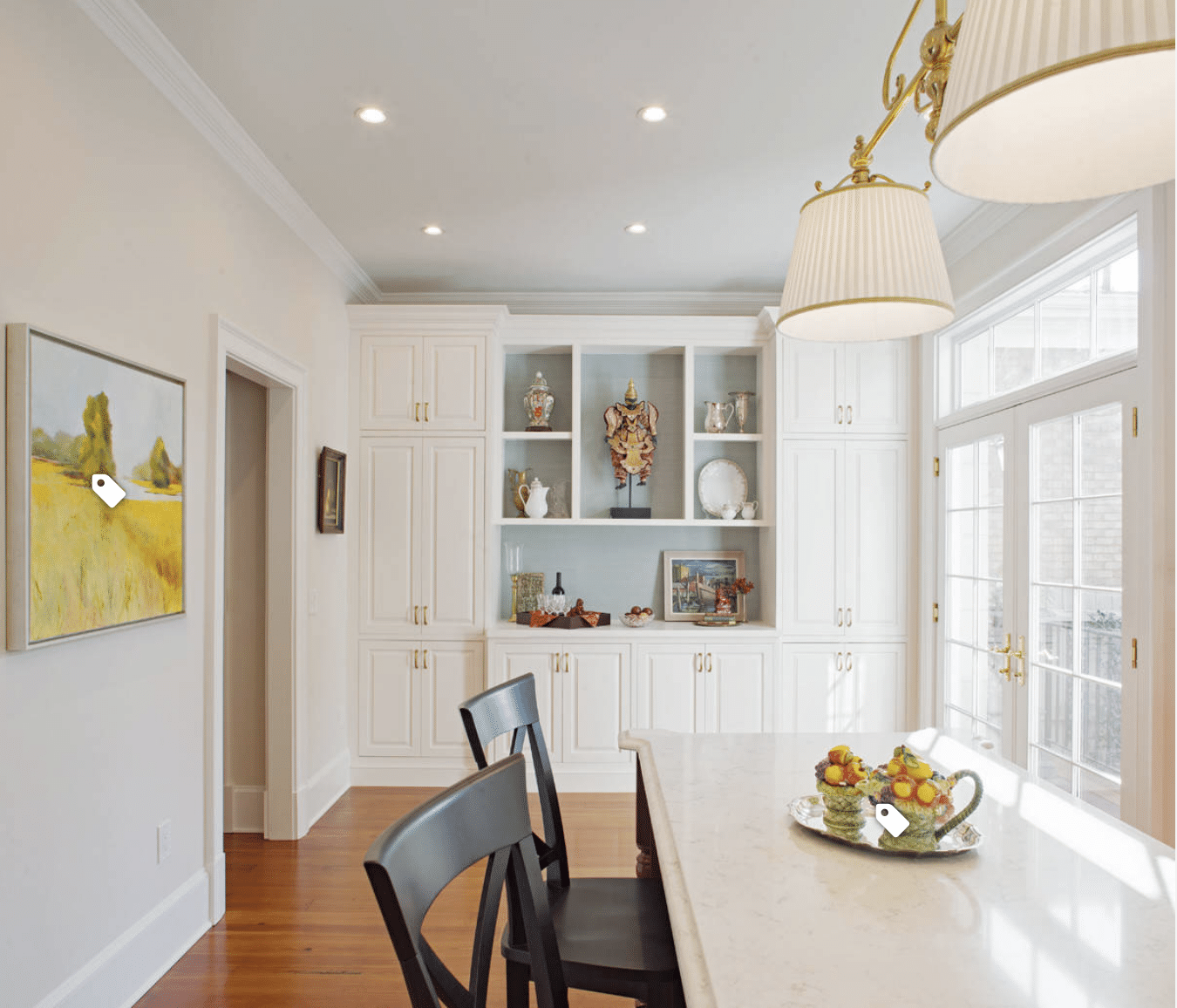
Choosing the perfect white paint may sound simple, but any homeowner who has stood in front of a wall of paint swatches knows it’s anything but easy. When it comes to warm whites, Shoji White vs Swiss Coffee is one of the most searched and debated comparisons in interior design. Both colors are soft, inviting, and versatile — yet they create very different moods once applied to walls. Understanding their undertones, brightness levels, and styling compatibility is essential before committing to gallons of paint.
Warm white paint colors have become a cornerstone of modern interiors because they provide balance. Stark whites can feel cold and sterile, while Shoji White vs Swiss Coffee overly creamy tones can look dated or yellow. Shoji White and Swiss Coffee sit comfortably in the middle, offering warmth without overwhelming a space. However, their subtle differences can dramatically affect how your home feels in natural and artificial lighting.
In this in-depth guide, we’ll explore everything you need to know about Shoji White vs Swiss Coffee — from undertones and LRV to room-by-room performance and design compatibility. By the end, you’ll have a clear understanding of which warm white best suits your home’s lighting, finishes, and personal style.
Overview of Shoji White and Swiss Coffee
Shoji White: A Soft Greige-Inspired Warm White
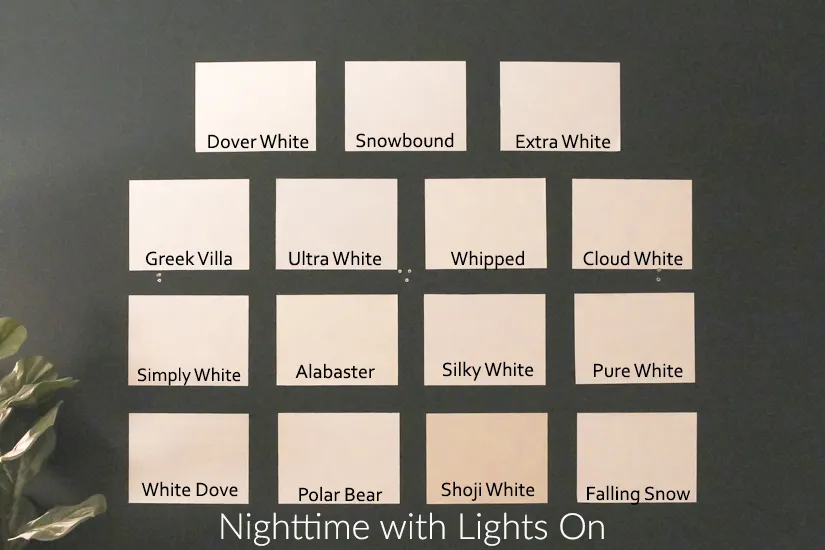
Sherwin-Williams created Shoji White as a warm white with subtle greige influences. Unlike traditional creamy whites, Shoji White leans slightly toward beige and gray, giving it a grounded and modern feel. It has a Light Reflectance Value (LRV) of Shoji White vs Swiss Coffee approximately 74, meaning it reflects a good amount of light without appearing stark or overly bright. This balance makes it an excellent choice for homeowners who want warmth without heavy yellow undertones.
Designers often recommend Shoji White for its chameleon-like ability to adapt to different lighting conditions. In north-facing rooms, it can appear slightly warmer and more beige, while in bright southern exposures it feels lighter and more Shoji White vs Swiss Coffee neutral. Its understated depth makes it ideal for contemporary, transitional, and minimalist spaces that require subtle warmth without creaminess.
Swiss Coffee: A Classic Creamy Favorite
Benjamin Moore popularized Shoji White vs Swiss Coffee Swiss Coffee as one of the most beloved creamy whites in interior design. However, it’s important to note that Swiss Coffee exists in multiple brands, including Behr and Valspar, and each version varies slightly in tone and brightness. Generally, Swiss Coffee has a higher LRV — often around 83 in Benjamin Moore’s formula — which means it reflects more light and appears brighter on walls.
Swiss Coffee is known for its soft yellow undertones that create a welcoming, cozy atmosphere. It’s frequently used in farmhouse, cottage, and traditional interiors because it adds warmth without feeling beige. However, depending on lighting and surrounding finishes, it can lean more creamy than expected. That’s why sampling is essential when comparing Shoji White vs Swiss Coffee.
Shoji White vs Swiss Coffee: Undertones Explained
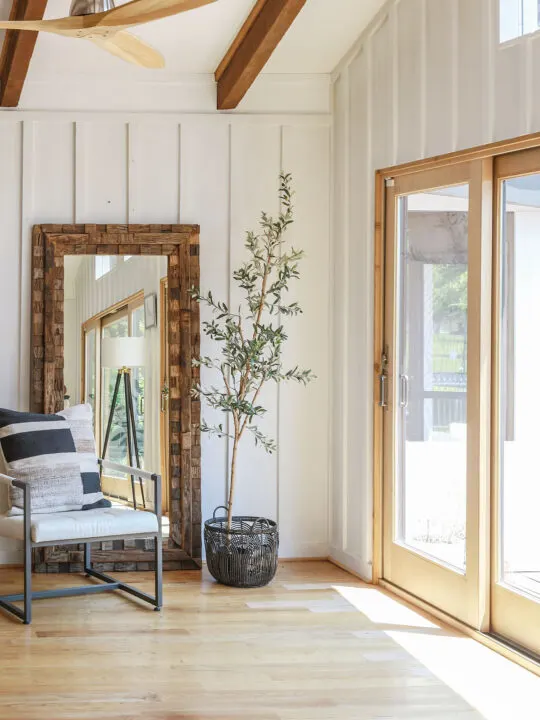
Undertones are the hidden colors beneath the surface that become visible depending on lighting and surrounding décor. When comparing Shoji White vs Swiss Coffee, undertones are the most important differentiator.
Shoji White carries greige undertones — a blend of gray and beige — with a subtle taupe influence. In certain lighting, especially roomsShoji White vs Swiss Coffee with limited natural light, you might notice a slight greenish undertone. This is not overpowering but gives the paint depth and sophistication. Because of its muted warmth, Shoji White rarely appears yellow, making it a safer option for those who dislike creamy whites.
Swiss Coffee, on the other hand, leans creamy with gentle yellow undertones. These undertones are what give it that classic warm-white charm. In rooms filled with natural sunlight, Swiss Coffee glows beautifully. However, in artificial or warm lighting, it can sometimes appear more yellow than anticipated. This difference is crucial when choosing between Shoji White vs Swiss Coffee for kitchens, bathrooms, or spaces with warm-toned flooring.
If you prefer a neutral white with subtle warmth, Shoji White is likely the better choice. If you love a cozy, creamy aesthetic, Swiss Coffee may be the winner. The key is matching undertones with fixed elements like cabinets, countertops, and floors.
Light Reflectance Value (LRV) & Brightness Comparison
Understanding Light Reflectance Value (LRV) is essential when selecting white paint. LRV measures how much light a color reflects on a scale from 0 (pure black) to 100 (pure white). In the Shoji White vs Swiss Coffee debate, LRV plays a major role in how each paint performs.
Shoji White’s LRV of around 74 means it reflects a moderate amount of light. It brightens a room without looking crisp or stark. In smaller spaces, it can feel cozy yet airy. In larger open-concept rooms, it provides warmth while maintaining brightness. Shoji White vs Swiss Coffee Because it is slightly deeper than Swiss Coffee, it offers more contrast against bright white trim.
Swiss Coffee, with an LRV around 83 (depending on brand), reflects more light and appears brighter overall. This makes it an excellent choice for darker rooms that need illumination. It can make small rooms appear larger and more open. However, Shoji White vs Swiss Coffee higher reflectivity also means undertones become more noticeable in certain lighting conditions.
When deciding which paint color makes a room look bigger, Swiss Coffee often has the edge due to its higher LRV. But if you want subtle depth and less risk of yellowing, Shoji White may feel more balanced.
Shoji White vs Swiss Coffee in Different Rooms
Choosing between Shoji White vs Swiss Coffee often depends on the room’s function and lighting. In living rooms, Shoji White creates a soft, sophisticated backdrop that pairs beautifully with neutral furniture and modern décor. It works especially well in homes with cool-toned accents or black fixtures. Swiss Coffee, however, enhances warmth and comfort, making it ideal for traditional or farmhouse-style living rooms.
In kitchens, Swiss Coffee shines when paired with white cabinetry and warm wood tones. It enhances brass hardware and butcher block countertops. Shoji White works better in kitchens with gray countertops or cooler finishes because Shoji White vs Swiss Coffee its greige undertones prevent clashing.
Bedrooms benefit from both colors, depending on the mood you want. Shoji White creates a calm, spa-like retreat with muted elegance. Swiss Coffee adds warmth and softness, making the space feel cozy and inviting. In bathrooms, Shoji Shoji White vs Swiss Coffee White often appears more neutral under artificial light, while Swiss Coffee can lean creamy.
For exteriors, Shoji White provides a refined, slightly muted façade. Swiss Coffee offers brighter curb appeal but may appear more yellow in direct sunlight.
Style Compatibility: Which Design Aesthetic Works Best?
Modern and minimalist homes often favor Shoji White because of its greige undertones and understated elegance. It complements clean lines, black window frames, and contemporary finishes. The subtle warmth keeps spaces from feeling Shoji White vs Swiss Coffee sterile while maintaining a sleek appearance.
Farmhouse and rustic interiors Shoji White vs Swiss Coffee frequently lean toward Swiss Coffee. Its creamy base enhances shiplap walls, exposed beams, and vintage décor. It pairs beautifully with distressed wood and warm metals.
Transitional spaces can work with either color. The key is considering flooring, trim color, and overall warmth. Shoji White feels slightly more updated and versatile, while Swiss Coffee leans classic and timeless.
Conclusion: Shoji White vs Swiss Coffee — Which One Wins?
In the ultimate Shoji White vs Swiss Coffee comparison, there is no universal winner — only the best choice for your specific space. Shoji White offers balanced warmth with greige undertones, making it ideal for modern interiors and cooler lighting conditions. Swiss Coffee provides creamy softness and higher brightness, perfect for cozy, traditional homes.
If you prefer subtle depth and less Shoji White vs Swiss Coffee risk of yellow undertones, Shoji White is a smart pick. If you want a brighter, creamier white that enhances warmth, Swiss Coffee may be your ideal match. Always test samples in different lighting before making your final decision.
FAQs About Shoji White vs Swiss Coffee
1. Is Shoji White warmer than Swiss Coffee?
Shoji White is warm but less creamy than Swiss Coffee.
2. Which is brighter: Shoji White or Swiss Coffee?
Swiss Coffee is typically brighter due to its higher LRV.
3. Does Swiss Coffee look yellow?
It can appear slightly yellow in warm lighting.
4. Is Shoji White considered greige?
Yes, it has greige undertones.
5. Which works best in dark rooms?
Swiss Coffee often brightens darker spaces better.
6. Can they be used together?
Yes, but test carefully to ensure undertones complement each other.











Leave a Reply