

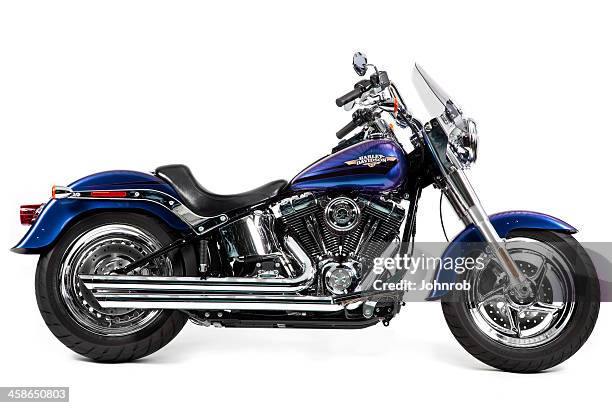
Harley-Davidson Inc. is one of the most recognized motorcycle-related stocks in the global market. Known for its legendary brand and loyal community, Harley-Davidson has built a strong reputation not only in the motorcycle industry but also among investors who value iconic American companies. Over the years, Harley Davidson stock has attracted attention from both long-term investors and short-term traders due to its brand strength, dividend potential, and strategic business transformations.
The company’s stock performance often reflects broader economic conditions, consumer demand for recreational vehicles, and the company’s efforts to innovate and expand into new markets. As the motorcycle industry evolves with technological Harley Davidson Stock advancements and changing consumer preferences, investors closely watch Harley-Davidson’s strategies to stay competitive. Understanding the fundamentals behind the company can help investors make informed decisions when evaluating the stock.
This article explores everything investors need to know about Harley Davidson stock, including company history, financial performance, market trends, and future outlook. By examining these key aspects, readers can better understand whether this iconic motorcycle brand represents a strong investment opportunity in today’s market.
Introduction to Harley Davidson Stock

Harley-Davidson is one of the most iconic motorcycle manufacturers in the world, and its stock has long been associated with American industrial Harley Davidson Stock heritage and lifestyle branding. Founded in 1903, the company has built a reputation for producing powerful motorcycles that symbolize freedom, adventure, and individuality. Because of this strong brand identity, Harley-Davidson has maintained a dedicated customer base and a recognizable global presence.
For investors, Harley Davidson stock represents more than just shares in a motorcycle manufacturer. It reflects a company with a unique market position, strong brand loyalty, and a long history of innovation. The stock is traded publicly and has become a common choice for investors interested in the automotive and leisure industries.
One reason investors closely follow this Harley Davidson Stock stock is its ability to adapt to market changes. In recent years, Harley-Davidson has introduced new business strategies aimed at attracting younger riders and expanding into international markets. These initiatives can significantly influence stock performance and long-term growth potential.
Additionally, the company’s financial strategies, including dividends and share buybacks, make the stock appealing to income-focused investors. With Harley Davidson Stock a combination of brand heritage and modern business initiatives, Harley-Davidson remains a noteworthy player in the stock market.
Company Overview: The Business Behind Harley-Davidson
Harley-Davidson’s history is deeply rooted in American manufacturing and cultural identity. The company was founded in Milwaukee, Wisconsin, Harley Davidson Stock and quickly gained popularity for producing durable motorcycles designed for both everyday riders and enthusiasts. Over more than a century, the brand has become synonymous with powerful cruiser bikes and a strong community culture.
The company operates through several Harley Davidson Stock core business segments. The primary segment focuses on the manufacturing and sale of motorcycles, which remain the backbone of the company’s revenue. Harley-Davidson produces a range of motorcycles designed for different riding styles, including touring bikes, cruisers, and sport models. Each product line is designed to maintain the brand’s signature performance and aesthetic appeal.
Another important part of the business includes parts, accessories, and branded merchandise. Many Harley riders personalize their bikes with custom accessories, creating a lucrative aftermarket segment. In addition, the company sells clothing and lifestyle products that reinforce its brand identity.
Harley-Davidson also operates a Harley Davidson Stock financial services division that provides loans and insurance products for motorcycle buyers. This division plays a significant role in supporting motorcycle sales by making ownership more accessible to customers. By offering financing options, the company helps maintain steady demand for its products.
Through these combined business segments, Harley-Davidson has built a diversified revenue structure that supports long-term financial stability.
Harley Davidson Stock Performance and Market Trends
The performance of Harley Davidson stock has experienced several cycles of growth and decline over the years. Like many consumer-focused companies, the stock tends to perform well during periods of economic growth when consumers are more willing to spend money on recreational products. However, during economic downturns, demand for motorcycles can decline, which may impact stock performance.
Historically, the company’s stock Harley Davidson Stock price has reflected both its brand strength and the challenges faced by the motorcycle industry. Factors such as global economic conditions, changes in consumer demographics, and increased competition have influenced stock fluctuations over time. Despite these challenges, Harley-Davidson has managed to maintain a strong market presence.
In recent years, the company has Harley Davidson Stock implemented strategic initiatives to improve profitability and strengthen investor confidence. These include restructuring operations, focusing on high-margin products, and expanding its international footprint. These efforts have played an important role in shaping investor sentiment.
Another key trend influencing the stock Harley Davidson Stock is the shift toward electric mobility. Harley-Davidson’s development of electric motorcycles demonstrates the company’s willingness to adapt to changing industry dynamics. As electric vehicle technology becomes more prominent, this transition may open new opportunities for growth.
Key Factors Influencing Harley Davidson Stock Price
Several factors can influence the price of Harley Davidson stock, making it important for investors to understand the broader economic and industry environment. One of the most significant influences is consumer spending. Because motorcycles are often considered discretionary purchases, economic conditions can directly affect sales performance.
Innovation and product development Harley Davidson Stock also play an important role. Harley-Davidson has invested in modernizing its product lineup to attract younger riders and new demographics. This includes developing electric motorcycles and exploring alternative mobility solutions that align with evolving consumer preferences.
Another factor that impacts the stock price Harley Davidson Stock is supply chain management. Manufacturing motorcycles requires complex global supply chains for components and materials. Any disruptions in supply chains can increase costs and affect production levels, potentially impacting financial performance.
Brand loyalty is another unique strength Harley Davidson Stock of Harley-Davidson. Few companies enjoy the same level of customer devotion as Harley. Riders often form communities and clubs centered around the brand, creating a powerful cultural connection that strengthens long-term demand for its products.
Financial Analysis of Harley Davidson Stock
Financial performance is a crucial element when evaluating Harley Davidson stock. Investors typically examine revenue growth, profitability, and operational efficiency to determine the company’s financial health. Over the years, Harley-Davidson has focused on improving margins by streamlining operations and emphasizing premium products.
Revenue trends show that motorcycle Harley Davidson Stock sales remain the primary driver of income, supported by accessories, merchandise, and financial services. The company’s ability to maintain consistent sales in competitive markets demonstrates the enduring appeal of its brand.
Profit margins also play a major role in Harley Davidson Stock stock valuation. By focusing on high-margin products and reducing unnecessary costs, Harley-Davidson has worked to improve overall profitability. These strategic decisions can enhance shareholder value over time.
Another important factor for investors Harley Davidson Stock is the company’s dividend policy. Harley-Davidson has historically paid dividends to shareholders, making the stock attractive to investors seeking income in addition to potential capital gains.
The company’s balance sheet and debt levels are also closely monitored. Maintaining a healthy financial structure allows the company to invest in innovation, expand into new markets, and withstand economic fluctuations.
Harley Davidson Stock Forecast and Future Outlook
Looking ahead, the future of Harley Davidson stock will depend on the company’s ability to adapt to evolving market conditions. One of the most promising opportunities lies in expanding into international markets, particularly in regions where motorcycle demand continues to grow.
Another key area of focus is electric mobility. As environmental concerns and technological advancements reshape the automotive industry, electric motorcycles could play a larger role in the company’s long-term strategy. Harley-Davidson’s investments in this area demonstrate its commitment to staying relevant in a rapidly changing market.
Analysts often evaluate the company’s Harley Davidson Stock strategic initiatives when forecasting future stock performance. These include product innovation, marketing strategies, and efforts to reach younger audiences. Successfully executing these plans could strengthen the company’s competitive position.
However, potential risks remain. Economic Harley Davidson Stock uncertainty, rising production costs, and intense competition from other motorcycle manufacturers could impact future growth. Investors must consider these factors when evaluating the long-term outlook for the stock.
Conclusion
Harley Davidson stock represents an investment in one of the most recognizable motorcycle brands in the world. With more than a century of history, the company has built a powerful reputation for producing high-quality motorcycles and cultivating a loyal customer base.
While the stock has experienced Harley Davidson Stock periods of volatility, Harley-Davidson’s strong brand identity and strategic initiatives continue to support its long-term potential. The company’s focus on innovation, international expansion, and electric mobility may help drive future growth.
For investors, the stock offers a combination of brand strength, dividend potential, and exposure to the recreational vehicle market. However, like any investment, it requires careful analysis of market trends, financial performance, and economic conditions.
Ultimately, understanding the factors that influence Harley Davidson stock can help investors make informed decisions and determine whether it aligns with their overall investment strategy.
Frequently Asked Questions (FAQs)
1. What is the ticker symbol for Harley Davidson stock?
Harley-Davidson trades on the New York Stock Exchange under the ticker symbol HOG.
2. Is Harley Davidson stock a good investment?
It can be attractive for investors who value strong brands and dividend-paying companies, but performance depends on market conditions.
3. Does Harley-Davidson pay dividends?
Yes, the company has historically paid dividends to shareholders.
4. What affects Harley Davidson stock price?
Factors include economic conditions, motorcycle demand, innovation, and company financial performance.
5. Is Harley-Davidson investing in electric motorcycles?
Yes, the company has developed electric motorcycle models as part of its future strategy.
6. Where can investors track Harley Davidson stock?
Investors can monitor the stock on financial platforms, brokerage apps, and major stock exchanges.














Leave a Reply