

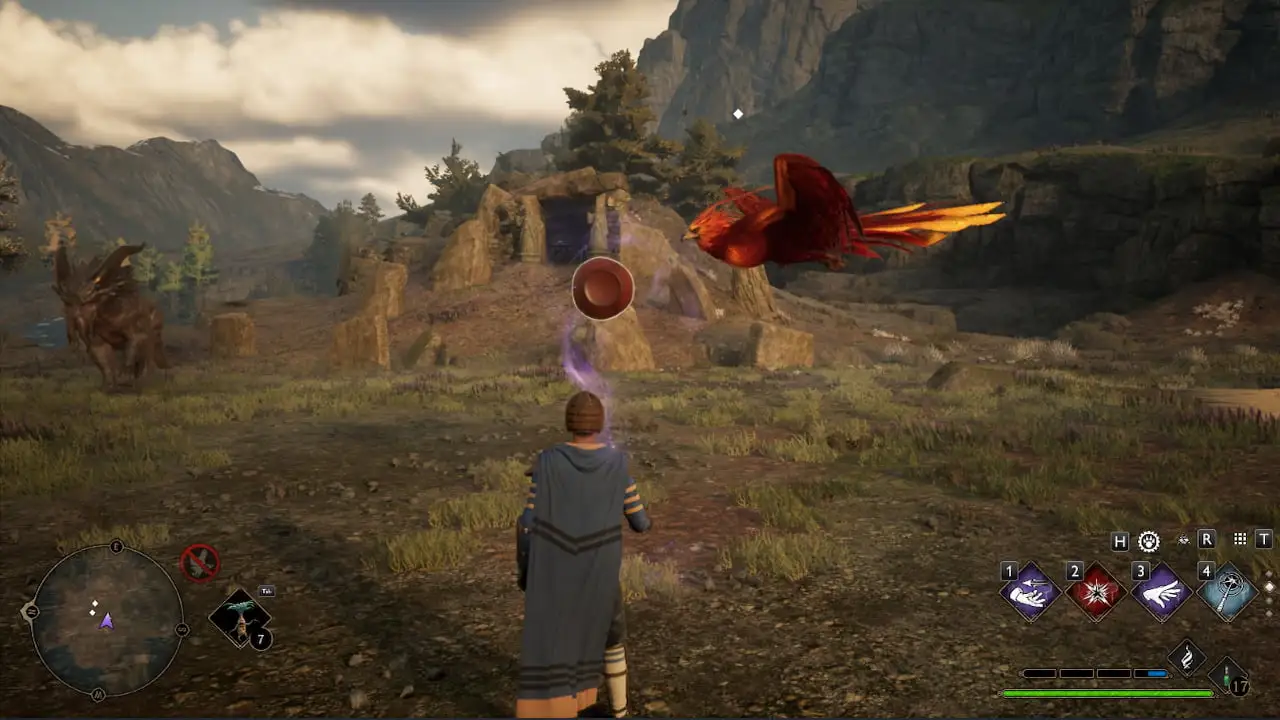
Introduction: Understanding the World of Quidditch
Which ball in Quidditch is the largest? This is one of the most common questions fans ask when exploring the magical sport introduced in the Harry Potter. Quidditch, played on flying broomsticks, is one of the most exciting and imaginative sports in the wizarding world. It combines speed, strategy, teamwork, and magical elements that make it far more complex than most Muggle sports.
At the heart of the game lies a simple but fascinating structure: three different types of balls, each with its own purpose. These include the Quaffle, the Bludgers, and the Golden Snitch. While each plays a unique role, they also vary greatly in size, weight, and behavior during the game. Understanding these differences is essential for fans who want to fully grasp how Quidditch works in the world of Quidditch.
This article explores every detail about these magical balls, with a special focus on identifying which ball is the largest. By breaking down their sizes, functions, and importance in gameplay, we can better understand how they shape the excitement and unpredictability of Quidditch matches.
Basics of Quidditch: How the Game Works
Quidditch is a high-speed aerial sport played between two teams, each consisting of seven players flying on broomsticks. The game takes place on a large oval pitch with three hoop-like goalposts at each end. Each position on the team has a specific role, making teamwork essential for success. Players must balance offense, defense, and strategy while flying at high speeds.
The sport revolves around three main types of balls: the Quaffle, Bludgers, and the Golden Snitch. Each ball behaves differently and contributes uniquely to the flow of the game. The Quaffle is used for scoring goals, the Bludgers are used to disrupt players, and the Golden Snitch is a fast, nearly invisible ball that ends the match when caught. These elements make Quidditch a dynamic and unpredictable sport.
Unlike traditional sports, Quidditch requires players to multitask while airborne, often dodging dangerous Bludgers while attempting to score or capture the Snitch. The complexity of the game is part of what makes it so beloved among fans of the wizarding world. Understanding the equipment and rules is the first step toward identifying which ball in Quidditch is the largest and why that matters in gameplay.
The Three Types of Quidditch Balls Explained
The first and most important ball is the Quaffle. This ball is large, red, and smooth, designed for easy gripping and passing between players. It is used exclusively by Chasers, who attempt to throw it through the opponent’s goal hoops to score points. The Quaffle is the only ball that contributes directly to the team’s score, making it essential to winning matches.
Next are the Bludgers, two identical black iron balls that are enchanted to fly around the pitch aggressively. Their purpose is to disrupt gameplay by targeting players from both teams. Beaters are responsible for hitting Bludgers away from teammates or toward opponents to create strategic advantages. While smaller than the Quaffle, Bludgers are extremely dangerous due to their speed and force.
Finally, there is the Golden Snitch, the smallest but most important ball in Quidditch. It is a tiny, winged golden sphere that flies rapidly around the pitch. Catching it earns a team 150 points and ends the game. Despite its size, the Snitch often determines the outcome of matches, making it a highly valuable target for Seekers.
Each ball plays a distinct role, but their differences in size are what make Quidditch so strategically complex and visually exciting.
Which Ball in Quidditch Is the Largest?
The answer is simple: the Quaffle is the largest ball in Quidditch. It is significantly bigger than both the Bludgers and the Golden Snitch, designed to be easily visible and handled during fast-paced aerial gameplay. Its size allows players to pass and throw it accurately while flying at high speeds, which is essential for scoring goals.
The Quaffle’s larger size also makes it less dangerous compared to the Bludgers. While Bludgers are heavy and aggressive, and the Snitch is small and elusive, the Quaffle is stable and controlled. This balance ensures that scoring remains a skill-based activity rather than a chaotic one. The design of the Quaffle reflects its role as the central object of scoring in the game.
In contrast, the Bludgers are medium-sized but compact and heavy, designed for impact rather than scoring. The Snitch, on the other hand, is extremely small and fast, making it the hardest ball to catch. When comparing all three, the Quaffle clearly stands out as the largest and most physically manageable ball used in Quidditch matches.
Size Comparison of Quidditch Balls
When comparing the three balls, the differences become even more interesting. The Quaffle is roughly the size of a volleyball or small soccer ball, making it large enough to be passed easily between players while flying. Its size also makes it the easiest ball to track visually during matches.
The Bludgers are slightly smaller than the Quaffle but much denser and heavier. Their compact size allows them to travel at high speeds when enchanted, making them dangerous projectiles on the pitch. Even though they are not the largest, their weight and aggression make them a serious threat to all players.
The Golden Snitch is by far the smallest ball, often described as being the size of a walnut. Its tiny frame allows it to move quickly and unpredictably, making it extremely difficult to catch. This extreme size difference between the Snitch and the Quaffle highlights just how varied Quidditch equipment truly is.
These size differences are not random; they are carefully designed to balance gameplay. Each ball’s dimensions directly affect strategy, difficulty, and excitement in the sport.
Roles of Each Ball in Gameplay Strategy
The Quaffle plays the most structured role in Quidditch. It is passed between Chasers in coordinated plays designed to outmaneuver defenders and score goals. Its size and weight make it ideal for precision rather than chaos, emphasizing teamwork and accuracy.
Bludgers introduce unpredictability into the game. Beaters must constantly defend their teammates or attack opponents using bats to redirect Bludgers. This creates constant movement and pressure, ensuring that no player is ever completely safe during a match.
The Golden Snitch changes everything. Seekers must ignore most of the game’s chaos and focus entirely on spotting and catching this tiny, fast-moving object. Its capture immediately ends the match, making it the most influential element despite its size.
Together, these balls create a layered strategy system where size directly influences function and importance.
Fun Facts About Quidditch Balls
One interesting fact is that the Quaffle was originally enchanted to be easier to handle after early versions were too slippery. Bludgers are heavily enchanted to ensure they continue targeting players throughout the match, regardless of interference. The Golden Snitch, meanwhile, was designed with magical memory and responsiveness, allowing it to evade capture for long periods.
These magical properties highlight how carefully Quidditch was designed within the wizarding world. Each ball serves not just as equipment, but as an active participant in the game.
Conclusion
So, which ball in Quidditch is the largest? The answer is clear: the Quaffle. It stands out as the biggest and most important ball for scoring points in the game. However, each ball—the Quaffle, Bludgers, and Golden Snitch—plays a vital role in shaping the fast-paced and magical nature of Quidditch.
Understanding these differences helps fans appreciate the complexity behind the sport and why it remains one of the most iconic elements of the Harry Potter universe.
digitalwelts
FAQs: Which Ball in Quidditch Is the Largest?
1. Which ball in Quidditch is the largest?
The largest ball in Quidditch is the Quaffle. It is designed to be easy to pass, catch, and throw while flying on broomsticks, making it central to scoring points in the game.
2. What are the three balls used in Quidditch?
The three balls are the Quaffle, Bludgers, and the Golden Snitch. Each has a different size and role, contributing to the unique structure of the game in the Quidditch from the Harry Potter.
3. Is the Quaffle bigger than the Bludgers?
Yes, the Quaffle is larger than the Bludgers. Bludgers are smaller but much heavier and are designed to aggressively target players during matches.
4. Which is the smallest ball in Quidditch?
The smallest ball is the Golden Snitch. It is tiny, fast, and extremely difficult to catch, but it is the most important ball in the game.
5. Why is the Quaffle the largest ball?
The Quaffle is the largest because it needs to be easily visible and controllable during fast-paced aerial gameplay. Its size allows Chasers to pass and score goals effectively.
6. What happens when the Golden Snitch is caught?
When a Seeker catches the Golden Snitch, the game immediately ends, and the team earns 150 points, often deciding the winner of the match.
7. Do all Quidditch balls have magical properties?
Yes, Bludgers are enchanted to attack players, and the Golden Snitch is magically responsive and fast-moving. The Quaffle is also enchanted to maintain balance and usability during gameplay.









Leave a Reply