

Introduction
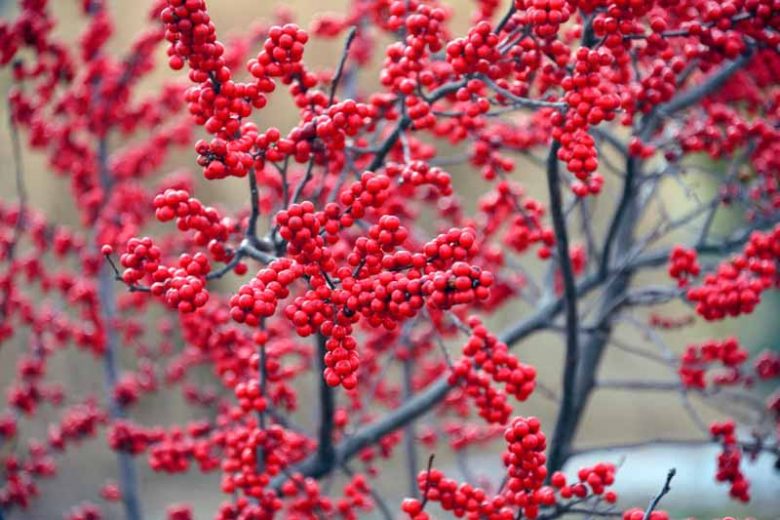
A tree with red berries is one of nature’s most eye-catching plants. The vibrant color of the berries stands out against green leaves in summer and bare branches in winter, making these trees popular in gardens, parks, and natural landscapes. Many homeowners and gardeners choose berry-producing trees not only for their decorative value but also for their ecological benefits. The bright red fruits create a striking visual display and attract birds and other wildlife, bringing life and movement to outdoor spaces.
Red berries are particularly appealing because they signal ripeness and nutrition in nature. Birds and animals are naturally drawn to these colorful fruits, helping spread seeds and support local ecosystems. In many regions, trees with red berries also hold cultural and seasonal significance. For example, they are often associated with winter holidays, autumn landscapes, and traditional folklore. Their vibrant color contrasts beautifully with snowy backgrounds or fall foliage, making them a favorite choice for ornamental planting.
In addition to their aesthetic appeal, many red-berry trees are relatively easy to grow and maintain. They can thrive in various climates, from temperate forests to urban gardens. Some species produce edible fruits used in jams, teas, or traditional recipes, while others are purely ornamental. Understanding the different types of trees with red berries, how to identify them, and how to care for them can help gardeners make informed decisions when selecting plants for their landscape.
This guide will explore everything you need to know about trees that produce red berries. From identifying common species and understanding their benefits to learning how to grow and maintain them, this article provides a comprehensive overview for nature enthusiasts, gardeners, and curious readers alike.
What Is a Tree With Red Berries?
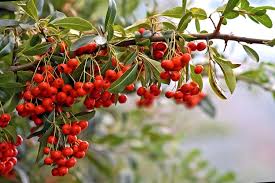
A tree with red berries refers to any tree species that produces small, round fruits that appear bright red when mature. These fruits are often referred to as berries, although botanically they may not always be true berries. In scientific terms, a true berry is a fruit produced from a single ovary containing seeds embedded in the flesh. However, many plants produce berry-like fruits that look similar but belong to different botanical categories.
These berry-producing trees can vary greatly in size, shape, and habitat. Some grow as tall shade trees, while others remain smaller ornamental trees suitable for residential landscapes. Their fruits typically appear in clusters and develop during late summer or autumn, often remaining on the branches throughout winter. This long-lasting display of berries adds seasonal interest to gardens and provides an important food source for birds during colder months.
One of the main reasons red berries are so common among tree species is their role in seed dispersal. The bright red color acts as a visual signal to birds and animals that the fruit is ripe and ready to eat. After consuming the berries, animals spread the seeds through their droppings, allowing the trees to reproduce in new locations. This natural partnership between plants and wildlife plays a crucial role in maintaining healthy ecosystems.
Trees with red berries can be found in forests, mountains, parks, and suburban landscapes around the world. Many species are native to specific regions, while others have been introduced as ornamental plants because of their beauty. Their adaptability and visual appeal make them a popular choice for landscaping projects, wildlife gardens, and decorative planting schemes.
Popular Types of Tree With Red Berries
There are many different species of trees that produce red berries, each with unique characteristics and growing requirements. One of the most well-known examples is the holly tree. Holly trees are famous for their glossy evergreen leaves and clusters of bright red berries that appear during winter. These trees are widely used in decorative landscaping and are often associated with holiday decorations because of their festive appearance.
Another popular tree with red berries is the rowan tree, also known as the mountain ash. Rowan trees are admired for their delicate leaves and vibrant clusters of small red fruits that appear in late summer and autumn. These berries are particularly attractive to birds, making rowan trees an excellent choice for wildlife-friendly gardens. In many cultures, rowan trees are also believed to symbolize protection and good luck.
Hawthorn trees are another common variety known for their red berry-like fruits called haws. These trees typically bloom with beautiful white or pink flowers in spring before producing berries later in the year. Hawthorn berries have been used in traditional medicine and herbal remedies for centuries, especially in remedies related to heart health.
Dogwood trees also produce attractive red berries and are widely appreciated for their ornamental beauty. Their stunning flowers in spring and colorful foliage in autumn make them a year-round highlight in gardens. Other trees with red berries include crabapple trees, cotoneaster, and certain species of yew. Each of these trees contributes unique visual and ecological benefits, making them valuable additions to landscapes and natural habitats.
How to Identify a Tree With Red Berries
Identifying a tree with red berries requires careful observation of several key features, including leaves, bark, fruit clusters, and overall tree structure. The leaves often provide the first clue when identifying a tree species. Some trees have smooth, oval-shaped leaves, while others display jagged or lobed edges. The arrangement of the leaves along the branches can also help determine the species.
The berries themselves are another important identifying feature. Red berries can vary in size, shape, and arrangement depending on the tree. Some grow in tight clusters, while others appear individually or in small groups. Observing when the berries appear and how long they remain on the tree can also provide useful information. Many red-berry trees produce fruit in autumn, with berries persisting into winter.
Bark texture and tree size can also assist in identification. Some species have smooth bark, while others display rough or patterned bark. The overall growth pattern of the tree, including its height, branch structure, and canopy shape, can help distinguish between similar-looking species. Field guides, plant identification apps, and botanical resources can further assist in confirming the identity of a tree.
Accurate identification is especially important when dealing with berry-producing trees because some berries are edible while others may be toxic. Observing multiple characteristics rather than relying on a single feature is the best way to ensure correct identification. Taking photographs and comparing them with reliable plant databases can also help beginners recognize different types of trees with red berries.
Benefits of Planting a Tree With Red Berries
Planting a tree with red berries can significantly enhance the beauty and ecological value of a landscape. These trees provide vibrant color during seasons when many other plants appear dull or dormant. In autumn and winter, their bright berries create a striking contrast against bare branches or snowy surroundings, adding visual interest to gardens and parks.
Beyond their decorative appeal, red-berry trees play an important role in supporting wildlife. Birds such as robins, thrushes, and waxwings rely on these berries as a food source, particularly during colder months when other foods are scarce. By planting berry-producing trees, gardeners can create habitats that encourage birds and beneficial insects to thrive.
Another benefit of these trees is their contribution to environmental health. Trees provide shade, improve air quality, and help regulate local temperatures. Berry-producing trees also support biodiversity by providing shelter and nourishment for a wide range of species. In urban areas, they help create greener, more sustainable environments.
For gardeners, many red-berry trees are relatively low-maintenance once established. They can tolerate a variety of soil types and weather conditions depending on the species. Their ability to combine ornamental beauty with ecological benefits makes them an excellent investment for both residential and public landscapes.
How to Grow and Care for a Tree With Red Berries
Growing a tree with red berries begins with choosing the right species for your climate and garden space. Some trees prefer cooler climates, while others thrive in warmer regions. Understanding the tree’s sunlight requirements, soil preferences, and mature size is essential before planting. Selecting a healthy sapling from a reputable nursery increases the chances of successful growth.
Proper planting techniques also play a key role in the tree’s long-term health. Most berry trees prefer well-drained soil and a location that receives adequate sunlight. Digging a hole that is slightly wider than the root ball and adding organic compost can help provide nutrients for early growth. Watering regularly during the first few months after planting helps the roots establish themselves.
Ongoing care involves regular watering, occasional fertilization, and pruning when necessary. Pruning helps maintain the tree’s shape, remove dead branches, and encourage healthy fruit production. Some species may require protection from pests or fungal diseases, so monitoring the tree’s condition throughout the year is important.
With proper care, a tree with red berries can thrive for many years and become a beautiful centerpiece in a garden or landscape. Its seasonal blossoms, colorful fruit, and vibrant foliage provide year-round visual interest and ecological benefits.
Conclusion
A tree with red berries is more than just a decorative addition to a garden. It represents a unique combination of natural beauty, ecological value, and seasonal charm. These trees provide vibrant color during multiple seasons, attract birds and wildlife, and contribute to a healthier environment.
From holly and rowan to hawthorn and dogwood, the variety of red-berry trees available offers countless possibilities for gardeners and nature lovers. By learning how to identify these trees and understanding their growing requirements, anyone can successfully incorporate them into their landscape.
Planting and caring for a tree with red berries is an investment in both aesthetics and biodiversity. Whether used as a focal point in a garden or as part of a wildlife-friendly landscape, these trees bring lasting beauty and ecological balance to outdoor spaces.
FAQs
1. What is the most common tree with red berries?
Holly, rowan, and hawthorn are among the most common trees known for producing red berries.
2. Are all red berries on trees poisonous?
No, some are edible while others can be toxic. Proper identification is essential before consuming any berries.
3. Which birds are attracted to red berry trees?
Birds such as robins, thrushes, cedar waxwings, and blackbirds often feed on red berries.
4. Can a tree with red berries grow in small gardens?
Yes, many dwarf or compact varieties are suitable for small landscapes and urban gardens.
5. When do trees with red berries produce fruit?
Most species produce berries during late summer or autumn, and the fruits often remain through winter.
6. How long do red berries stay on the tree?
Depending on the species, berries may remain for several weeks or even months.
7. Do trees with red berries require special care?
Most require standard tree care, including sunlight, proper watering, and occasional pruning.
8. Can these trees be grown in containers?
Some smaller species or dwarf varieties can be successfully grown in large containers.














Leave a Reply